Patent Enforcement Strategy After Apple’s $5.7 Billion Verdict
Patent enforcement strategy starts long before litigation. Apple’s $5.7B verdict shows how drafting, prosecution and funding shape outcomes.


Patent enforcement strategy starts long before litigation. Apple’s $5.7B verdict shows how drafting, prosecution and funding shape outcomes.

How the U.S. patent process works from invention and filing through USPTO examination, Office Actions, allowance, issuance, and maintenance.

The trade secret vs patent decision depends on disclosure, reverse engineering, patentability, secrecy controls, commercialization…

A provisional patent application can preserve an early filing date, but only for subject matter the filing actually supports.

Patent Protection: Learn how human inventorship, AI-assisted development, public disclosures, and trade secrets affect patent rights.

USPTO uncertainty around PTAB and IPR limits could reshape patent infringement defense strategy for accused infringers and IP-heavy companies.

Skinny-label patent claims just became harder to pursue. Here’s what the Supreme Court’s decision means for regulated businesses.
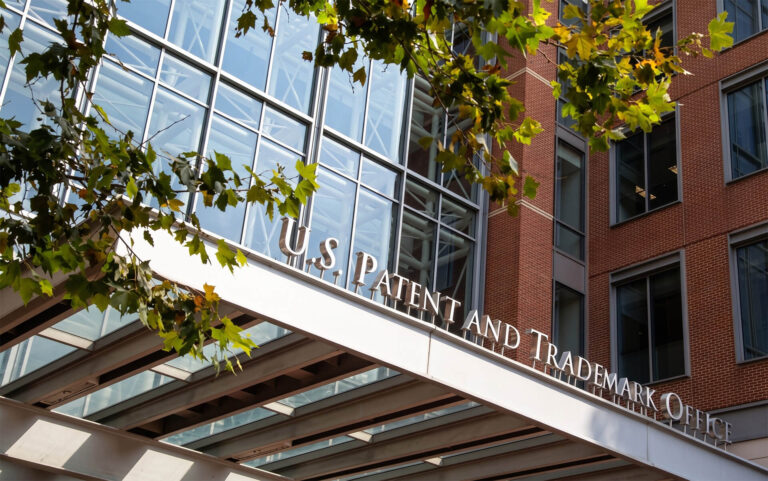
USPTO Backlog Declines, forcing companies to reassess patent timelines, escalation, and portfolio decisions.
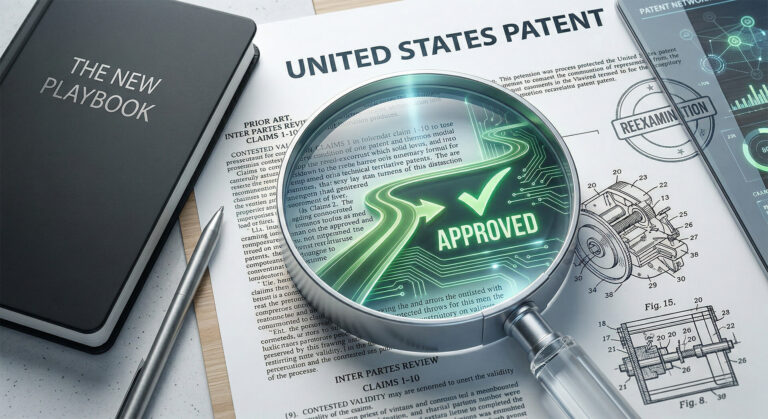
Ex Parte Reexamination Is Replacing IPR Strategy as companies rethink patent defense under declining PTAB access and rising procedural risk.
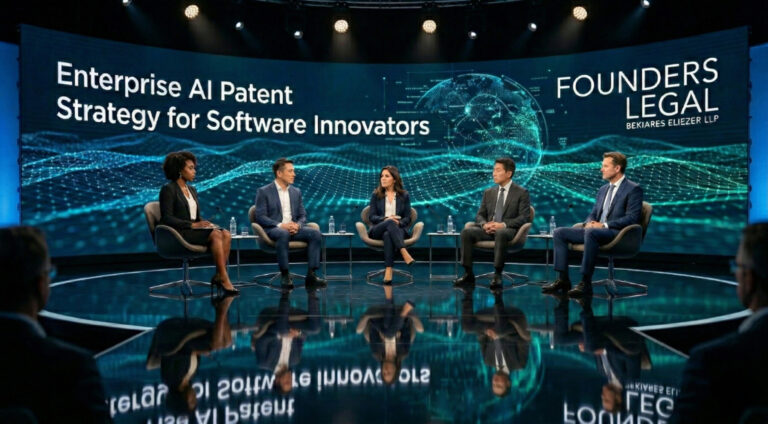
Founders Legal has expanded its enterprise AI and software patent strategy practice to address evolving patent eligibility standards
End of content
End of content