
Trademark Registration for Founders: How to Protect Your Brand from Day One
Every founder knows that a great name, logo, or slogan can define a business. But what most entrepreneurs overlook is that brand equity only becomes an invaluable asset when it is protected through proper legal channels. The law affords those who takes to register their brand, more protection in the long run. Registration of your trademark for founders is not just a formality; it is the foundation of ownership, reputation, and long-term growth. If you plan to scale your company, attract investors, or expand internationally, registering your brand with the United States Patent and trademark Office (“USPTO”) early gives you a legal shield that can prevent expensive conflicts later.
We work with creators and entrepreneurs who are building the next generation of brands. This guide shows you how to navigate the trademark process, avoid common pitfalls, and position your company to protect what you are creating through brand recognition.

Why Trademark Registration Matters for Founders
A trademark is more than a name; it represents your brand identity, trust, and goodwill in the marketplace. Without registration, your rights are limited and hard to enforce. Competitors can adopt confusingly similar names, and you may find yourself unable to expand your brand across states or countries.
For founders, early trademark protection achieves three goals:
Ownership clarity
Establishes exclusive nationwide rights under federal law.
Investor confidence
Demonstrates that your brand is a secure and transferable asset.
Risk reduction
Prevents infringement disputes that can derail marketing or force rebranding.
If you are already generating brand recognition, every day without protection increases your exposure.
Choosing a Strong, Registrable Trademark
Not every name or logo qualifies for protection. The USPTO evaluates trademarks based on their distinctiveness. Understanding this helps you choose wisely before you invest in branding.
Trademarks fall on a scale:
- Fanciful or arbitrary (strongest): Invented words like “Kodak” or unrelated names like “Apple” for computers.
- Suggestive: Hints at the product without describing it, such as “Netflix.”
- Descriptive: Describes the goods or services; often weak and harder to register.
- Generic: Cannot be protected at all, like “Computer Store.”
Founders should aim for distinctive marks that stand apart from competitors. Avoid names that describe what you sell; instead, focus on what your brand stands for.
How to Conduct a Trademark Search the Right Way
Before filing, a comprehensive search helps you confirm that your name or logo is available. Founders often underestimate how many similar marks already exist that even the most thorough Google search does not identify.
To perform a proper search:
• Check the USPTO TESS database for existing or pending marks.
• Review state trademark registries and common-law sources, such as domain names and social media handles.
• Look for potential conflicts in spelling, pronunciation, or meaning.
While online tools can help, a professional clearance search provides deeper coverage and legal interpretation. It can prevent filing fees from being wasted on names that are likely to face rejection. Although no guarantee of registration can be made once a clearance search has been conducted, often times a clearance search greatly increases your odds of trademark registration and assists in avoiding ongoing legal disputes down the line.
Filing Your Trademark: Process, Cost, and Timeline
Once your mark has been cleared, it’s time to file. The trademark registration process for founders involves several steps:
- Select your classes of goods or services. The USPTO divides all industries into 45 categories. Choosing the wrong class can invalidate your protection or force a refile in the proper class.
- File the application with the USPTO, either based on use in commerce or intent to use.
- Examination by a USPTO attorney who reviews compliance and possible conflicts.
- Publication for opposition, giving third parties a chance to object.
- Registration and issuance of your certificate if no opposition or refusal occurs.
The process typically takes eight to twelve months, though it can vary depending on office actions or backlogs. Costs include government filing fees per class and attorney fees for review or response. The trademark application for registration process is a subjective one as trademark examiner’s bring in their own biases when reviewing every application.
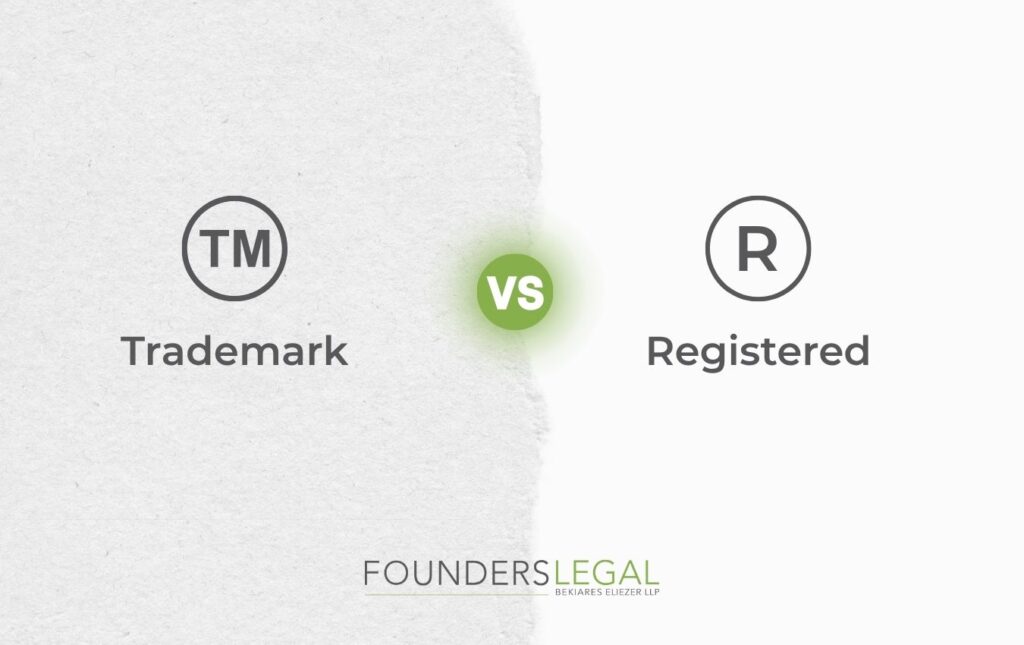
Using the TM and ® Symbols Correctly
The TM symbol indicates that you are claiming rights to a mark, even before it is officially registered. Once the USPTO approves your application, you can begin using the ® symbol, which signifies federal registration.
Improper use of the ® symbol before registration can trigger penalties for false marking. Founders should ensure their marketing materials and packaging display these symbols accurately.
International Brand Protection for Founders
If you plan to sell globally, a U.S. trademark covers only domestic rights. To protect your brand abroad, you can extend your registration through the Madrid Protocol, which allows one international filing to reach multiple countries.
International filings require strategic planning. You should consider where you expect to expand, where manufacturing occurs, and where competitors might operate. A well-timed international application can prevent costly rebranding or domain disputes later.
Maintaining and Enforcing Your Trademark Rights
Trademark rights are only as strong as your maintenance and enforcement practices. To keep protection active, you must:
- File a Section 8 Declaration between years five and six with an optional, but highly recommend Section 15 filing for the Declaration of Incontestability.
- Renew your registration every ten years with a Section 8 & 9 filing.
- Monitor for infringement and take action when necessary.
Ignoring enforcement or engaging in “naked licensing” – licensing your mark without quality control – can weaken or cancel your rights. Use watch services or attorney monitoring to stay informed about new filings similar to your brand.
When Founders Should Hire a Trademark Attorney
While filing a trademark on your own is possible, professional guidance significantly improves your success rate. Founders should hire an attorney:
- Before filing, to ensure distinctiveness and correct classification.
- During examination, if the USPTO issues an office action or refusal.
- After registration, for enforcement or licensing agreements.
A trademark attorney provides not just filing assistance, but a strategy for protecting your intellectual property as your business grows.
Frequently Asked Questions About Trademark Registration for Founders

Kennington combines legal discipline with industry insight, helping companies and creators secure, protect, and enforce their rights across the United States and internationally while supporting the long-term value of the brands, content, and businesses they build.
- When Trademark Enforcement Becomes the Liability - September 22, 2026
- What Trademark Infringement Looks Like - September 15, 2026
- Can You Trademark Yourself and Protect Name Image Likeness Rights - September 8, 2026
Before You Launch: Secure Your Brand’s Legal Foundation
Strong brands begin with strong legal foundations. Trademark registration for founders should happen at the earliest stage, ideally before marketing or investment discussions. Protecting your intellectual property ensures that your business name, logo, tagline and reputation remain yours as your company scales.
Your brand deserves more than recognition; it deserves protection.
