The USPTO’s Foreign Applicant Rule Shifts Control of U.S. Patent Filings to Registered Counsel
A structural change is coming to U.S. patent practice. Effective July 20, 2026, the United States Patent and Trademark Office will require that patent applicants and patent owners with a foreign domicile be represented by a registered U.S. patent practitioner in covered matters before the Office. Published in the Federal Register on March 20, 2026, the final rule applies to all filings received on or after the effective date, regardless of when the underlying application was originally filed.
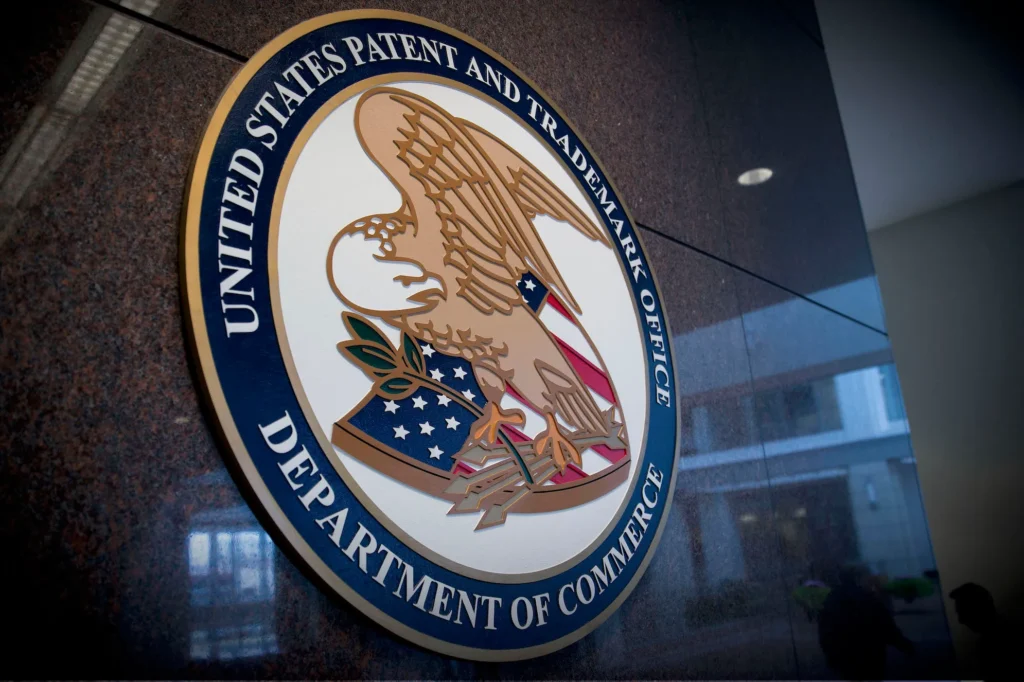
This rule does more than formalize representation. It changes how international filings must be structured, how prosecution must be managed, and how risk is allocated across global patent portfolios. For companies with global patent portfolios , this is not a change that can be addressed in July. The structural work (confirming domicile, aligning inventorship and assignment, appointing counsel, and reworking filing workflows) has to happen now.
What to Do Before July 20, 2026
If your organization has any foreign-domiciled applicants or patent owners in its U.S. portfolio, take the following steps now:
- Audit domicile across the portfolio. Confirm the domicile of every applicant and patent owner on pending U.S. applications and issued patents. Domicile is permanent legal residence for individuals and principal place of business for entities, not citizenship, and not mailing address.
- Identify filings likely to occur after July 20, 2026. Any paper filed on or after that date in a matter with a foreign-domiciled applicant or owner must be signed by a registered U.S. practitioner. This includes amendments, information disclosure statements, petitions, and maintenance-fee-related submissions in issued patents.
- Appoint U.S. counsel in advance. Power-of-attorney documentation should be in place well before the effective date to avoid gaps in ongoing prosecution.
- Align inventorship and assignment with filing strategy. Because the rule is triggered by a single foreign-domiciled applicant or owner, decisions about who is listed as applicant and when assignments are recorded now carry procedural consequences.
- Review time-sensitive filings. Priority claims, micro entity certifications, and nonpublication requests should be handled by a registered practitioner on or before the filing date. Defects in these areas are often not correctable after the fact.
The Trigger Is Domicile, Not Citizenship
The rule turns on domicile, defined as the permanent legal residence of an individual or the principal place of business of an entity. Citizenship is not the operative concept. For example, a U.S. citizen residing abroad may be a foreign-domiciled applicant for purposes of the rule; a foreign national whose principal residence is in the United States may not be.
Where an application has multiple applicants or patent owners, the U.S. patent practitioner representation requirement is triggered if any one of them is foreign-domiciled. The structure of the applicant group therefore becomes determinative. Mixed applicant structures do not avoid the requirement. This makes applicant designation, inventorship decisions, and the timing of assignments more consequential than they have been in the past.
Filing is Preserved, Prosecution is Not
The rule preserves one narrow pathway: a foreign-domiciled applicant can still obtain a filing date without representation. Th is protects time-sensitive filings where counsel cannot be engaged in time.
After filing, substantially all follow-on papers must be signed by a registered practitioner to be entered. These include application data sheets, amendments and replies, information disclosure statements, petitions and requests, and micro entity certifications.
This is where the rule introduces real risk. A filing can appear complete while remaining procedurally defective. The defect surfaces when the Office evaluates signature authority rather than when the application is submitted.
Separately, longstanding USPTO practice under 37 CFR § 1.76 already treats an unsigned application data sheet as a transmittal letter rather than an operative ADS. That has always meant inventorship may not be set and priority claims may not become effective. The new rule raises the stakes of that pre-existing consequence for foreign applicants, because the required signature now must come from a registered U.S. practitioner. Filing-date-dependent errors in this area are generally not curable later.
The Rule Extends to Patent Owners, Not Only Applicants
The representation requirement applies equally to patent owners. That expansion signals the USPTO’s focus on post-filing integrity and enforcement. Submissions in issued patents that require agency action on the merits must comply, including petitions tied to maintenance fees and other post-grant matters.
The Office is building a continuous accountability layer into the lifecycle of a patent, rather than limiting oversight to the application stage. For companies managing large portfolios, this introduces a need for consistency across both prosecution and post-grant workflows.
Why the USPTO Acted
The USPTO frames its rationale behind the rule around four objectives:
- Harmonization with other major patent offices
- Reduction of procedural defects in pro se filings
- Stronger enforcement of statutory and regulatory requirements
- Mitigation of false certifications and fraudulent submissions
The emphasis on fraud prevention is notable. The Office specifically points to improper micro entity certifications and misuse of expedited procedures. Registered practitioners are subject to professional conduct rules and disciplinary oversight. That creates a control point the agency can rely on.
The efficiency argument is equally important. Examiner time spent correcting procedural defects slows the system. By shifting responsibility to practitioners, the Office reallocates resources toward substantive examination.
A Procedural Rule With Strategic Consequences
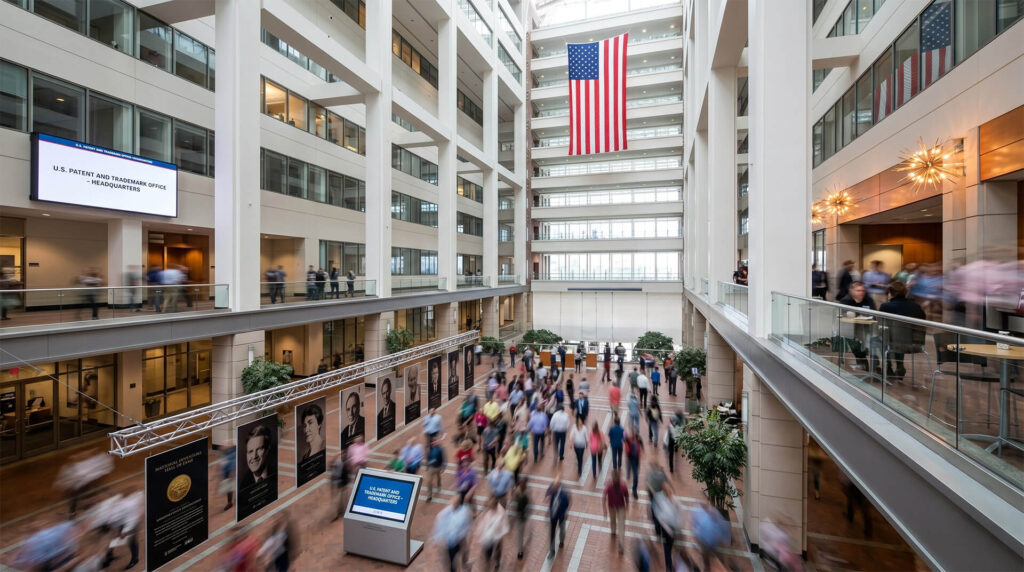
This rule operates at the procedural layer, yet its impact is strategic. It forces earlier coordination between foreign applicants and U.S. counsel. It reduces tolerance for fragmented filing workflows. It increases the cost of misalignment between inventorship, ownership, and filing strategy.
For international companies, the implication is clear. U.S. patent prosecution can no longer be treated as a downstream process. It must be integrated at the point of filing design.
This shift aligns with a broader transformation already underway in patent practice. Patent work is becoming systematized. Execution, data integrity, and workflow control are overtaking ad hoc drafting as the source of competitive advantage.
AI Infrastructure and the New Compliance Layer
The rule intersects directly with the rise of AI-enabled patent workflows. Patent practice is fundamentally language-based, which makes it highly susceptible to automation and systematization.
AI systems already support drafting, prior art analysis, and prosecution strategy. They also centralize data across matters, clients, and jurisdictions. That centralization introduces both opportunity and risk. On one side, AI enables consistent compliance. Structured workflows can ensure that required signatures, practitioner involvement, and filing sequences are enforced automatically. On the other side, poorly designed systems can amplify errors across an entire portfolio.
The ethical framework governing AI in law reinforces this point. Lawyers retain full responsibility for outputs generated by AI systems. They must ensure compliance with confidentiality, conflict, and accuracy obligations. The new USPTO rule adds a procedural compliance layer that AI systems must now encode. Signature authority, domicile determination, and practitioner involvement become machine-enforceable rules within the workflow.
Execution Becomes the Differentiator
The rule changes the economics of patent practice in subtle ways. It does not materially increase the number of matters that require counsel. Most foreign applicants already engage U.S. practitioners. What it changes is timing, control, and accountability.
Firms that integrate early into client workflows will capture more of the process. Those that remain reactive will be limited to corrective work after defects arise. Legal work is moving from manual production to system-driven execution. Firms compete on how well they structure workflows, manage data, and deliver consistent outcomes at scale.
The USPTO rule accelerates that transition. It rewards firms that can operationalize compliance. It penalizes fragmented processes that rely on informal coordination.
The Next Phase of Patent Practice
The rule reflects a broader convergence. Patent offices are standardizing procedural requirements. Legal work is becoming more systematized. AI is accelerating both trends by making structured execution scalable.
The result is a practice environment where control matters more than volume. The advantage shifts to those who design the system, not those who react to it. The July 2026 rule is one piece of that transition. It does not change patentability standards. It changes how the system is accessed and operated. For global innovators, that distinction is where risk and opportunity now sit.

Prior to entering private practice, Ed was a Clinical Pharmacist at Northside Hospital. While a Clinical Pharmacist, Ed also served on numerous hospital governance committees, evaluated new drug formulary additions, participated in clinical investigational drug trials, pharmacy information systems operations and development of therapeutic drug protocols. Ed continues to work with healthcare and pharmaceutical companies, now providing counsel on issues ranging from regulatory matters before the U.S. Food and Drug Administration to services agreements and compliance.
Sources:
Federal register
USPTO